
Translated from German. Read the original
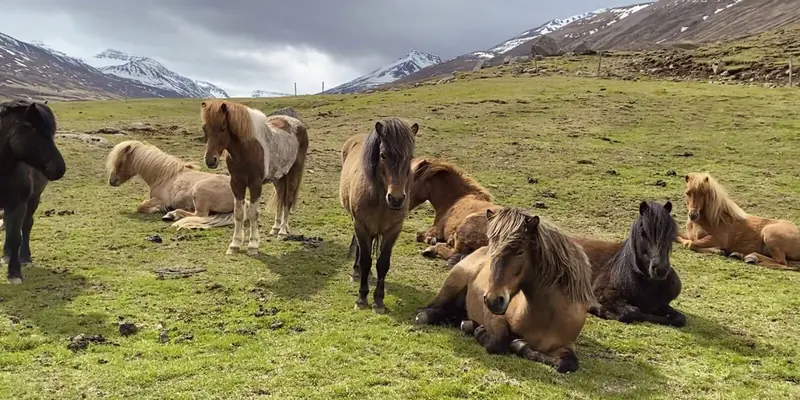
Horses sense very precisely whether we are genuine. They respond directly to what we radiate, without judgement and without masks. In doing so they give us honest feedback and make visible how well our inner values and intentions match the way we present ourselves. In their entirely natural way they show us where we may still be hiding behind protective mechanisms or stuck in old, unconscious patterns of feeling and behaviour.
In coaching with horses, such unconscious patterns can be recognised and changed. At the same time, concrete topics such as presence and impact, setting boundaries, how we see ourselves and how others see us, leadership behaviour or communication can be experienced and worked on in a very practical way.
Because horses respond directly to our body language, they immediately invite us to reflect on ourselves. They mirror what is going on inside us in that moment: honestly, clearly and without judgement.
The exercises with the horses make active experience and action possible. Many emotions are often set in motion, which naturally starts processes of change. These experiences have a lasting effect: our own experiences of self-efficacy strengthen and accompany our personal development.
In equine-assisted coaching, body language is especially in focus, because it often reveals our inner experience. We enter the exercises with our typical postures and intuitive behaviour, and the horse responds. Whether it follows us willingly, is attentive, becomes nervous or radiates calm quickly shows how we are coming across right now. Differences between inner conviction and outward appearance become tangible, for example when insecurity is being covered up.
The honest yet accepting encounter with the horse supports this process and encourages emotional self-exploration.
Clients become aware of their patterns of thinking, feeling and behaving and can begin to change them. At the same time they gain a new perspective on themselves, their actions and their impact in the world.
The work is resource-oriented, focusing on one’s own strengths rather than on deficits.
Possible reasons for coaching include:
- building mental strength and composure
- improving emotional balance
- gaining trust in your own resources
- releasing blockages
- reducing stress, nervousness and inner restlessness
- easing fears or insecurities in different situations